A History of The Methuen Family
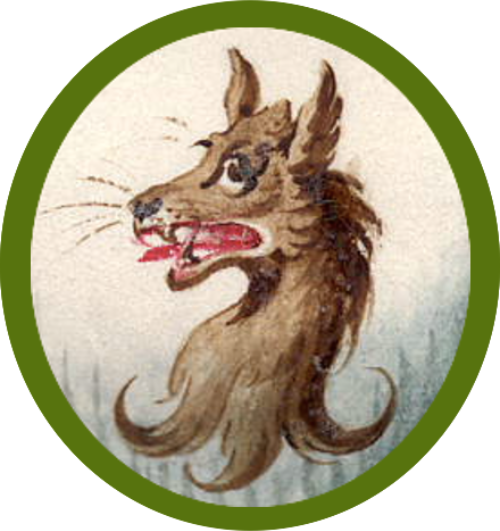
In May 1775 Paul Methuen had his arms registered at the College of Arms. To accomplish this it was necessary to provide some documentation supporting the historical lineage of the family. Although this grant of arms mentions that the inclusion of the imperial double-headed eagle had been a gift of “Albert the First Emperor of Germany Anno 1304”, the family tree cannot be traced with any certainty at all further back than the mid-16th century.
It is likely that the majority of Methvens and Methuens have their origins in the village of Methven in Perthshire. Paul Methwyn, ancestor of the Corsham branch, is said to have been a baker in Dundee before becoming a Protestant reformer. In 1563 he fled Scotland having been deposed as a minister for committing adultery with his servant. His son, another Paul (d.1606), also got into trouble when in 1587 as a Prebendary of Wells Cathedral he was sanctioned by the Chapter for defrauding the church and choristers of their revenues.
The third generation of these Methuens to the church proved to be more constant. The younger Paul’s son Anthony (d.1640), educated at Trinity and Queen’s Colleges Oxford, was Vicar of Frome, and together with his wife Jane (née Taylor), is buried in the church there. The Corsham Methuens are descended from his third son, Paul, who spelt his name Methwen. Paul was apprentice to a successful clothier, Josh Ashe of Freshford near Bath and married Ashe’s daughter Grace. He was described by John Aubrey as having been the greatest clothier of his time. He died in 1667.
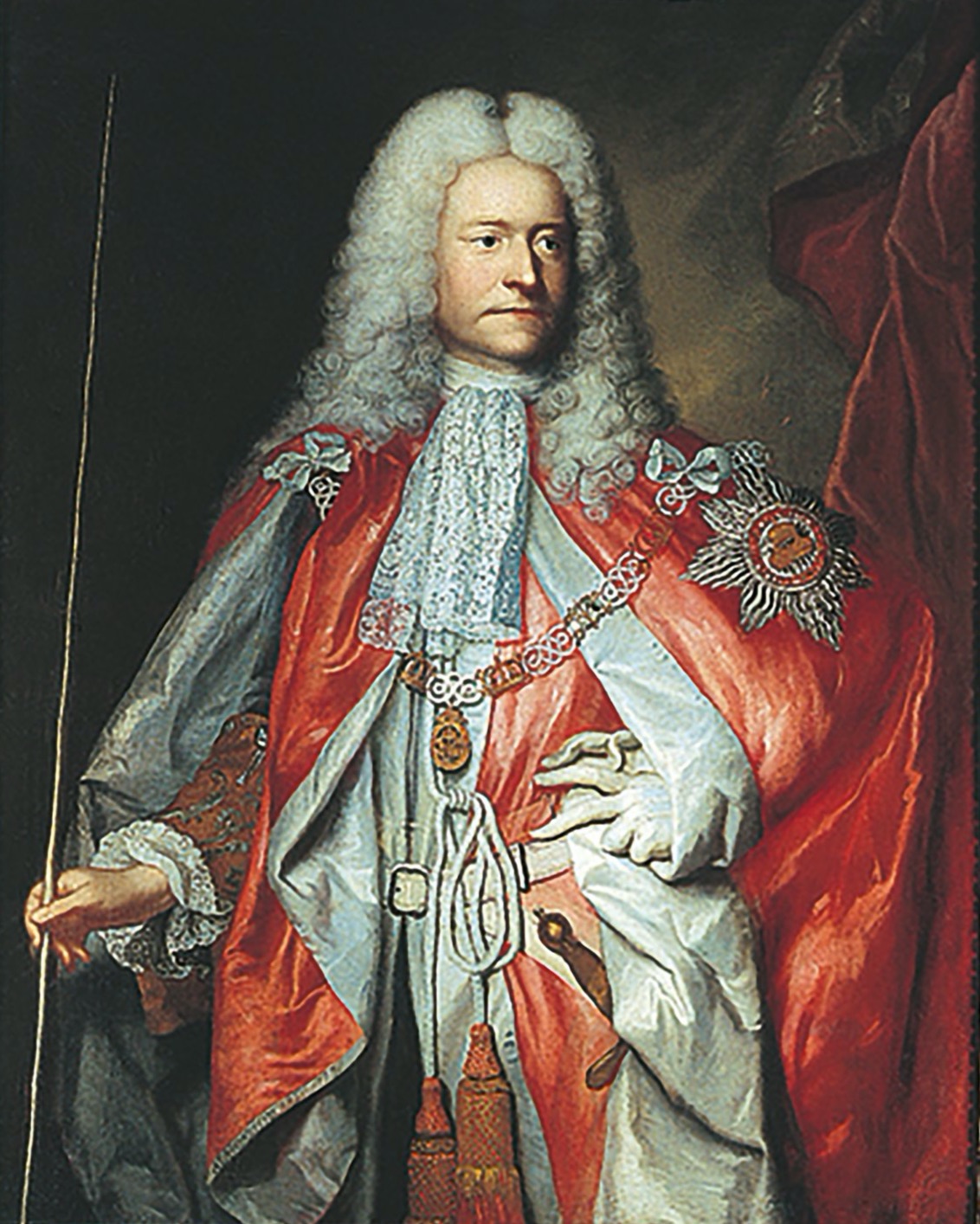
The first member of the family to be involved in public life was Paul Methwen's eldest son John Methuen (1650-1706), who served from 1690-1705 as the Whig M.P. for Devizes, and as Minister to Lisbon from 1691 to 1696 during the same time. From 1697 -1703 he was Lord Chancellor of Ireland and finally Ambassador Extraordinary to Portugal from 1703 until his death. He concluded the famous Methuen, or Port Wine, treaty in December 1703, which favoured the import of port wine to Britain and displaced wines from France, with which Britain was at war. This was during the War of the Spanish Succession, when the cementing of trade links with Portugal was advantageous. Although he had married a Mary Chivers in about 1671, she appears to have stayed in England. The couple had three sons and two daughters.
Sir Paul Methuen K.B (1672-1757), whose historic collection is displayed at Corsham, was their eldest son. He was educated in Paris at a school run by Jesuits (though the family was Protestant), and by the age of seventeen could speak three foreign languages. In contrast to his father, who had been secretive and retiring by nature, contemporaries remarked upon Paul’s flamboyance and ability to impress others by his culture and intellectual capability. He entered the diplomatic service in his twenties and from 1697-1702 was Minister in Lisbon, succeeding his father as Ambassador on his father’s death in 1706. He undertook various other diplomatic missions and Voltaire, not noted for his admiration of the English, described him in The Age of Louis XIV as “One of the most generous, brave and most sincere men that his country ever employed in an embassy”.
During this early period, he was used by the government as a skilled trouble-shooter who could be relied upon to protect the interests of the country, whilst never offending those with whom he was negotiating. During the years 1709-1730 he held several prestigious posts at home, including being a Lord of the Admiralty, Lord of the Treasury, a Privy Councillor (as had been his father), a Principal Secretary of State and Comptroller of the King’s Household. He was appointed a Knight of Order of the Bath in 1725 when the order was resurrected. In 1730 he retired from public life, though continued to serve as M.P for Brackley until 1747. From 1715 onwards Sir Paul was a collector of Old Master paintings, buying some pictures on the Continent, but latterly more in England and frequently at public auction.
His collection numbered approximately two hundred and fifty pictures, of which about seventy-five remain at Corsham, though during his life the collection was displayed at his house in Grosvenor Street, London. Pictures that were sold from his collection can be found in: the National Gallery, London, the Courtauld Galleries, the Metropolitan Museum of Art, New York, the National Gallery, Washington, the Detroit Institute of Arts and the National Gallery, Toronto.
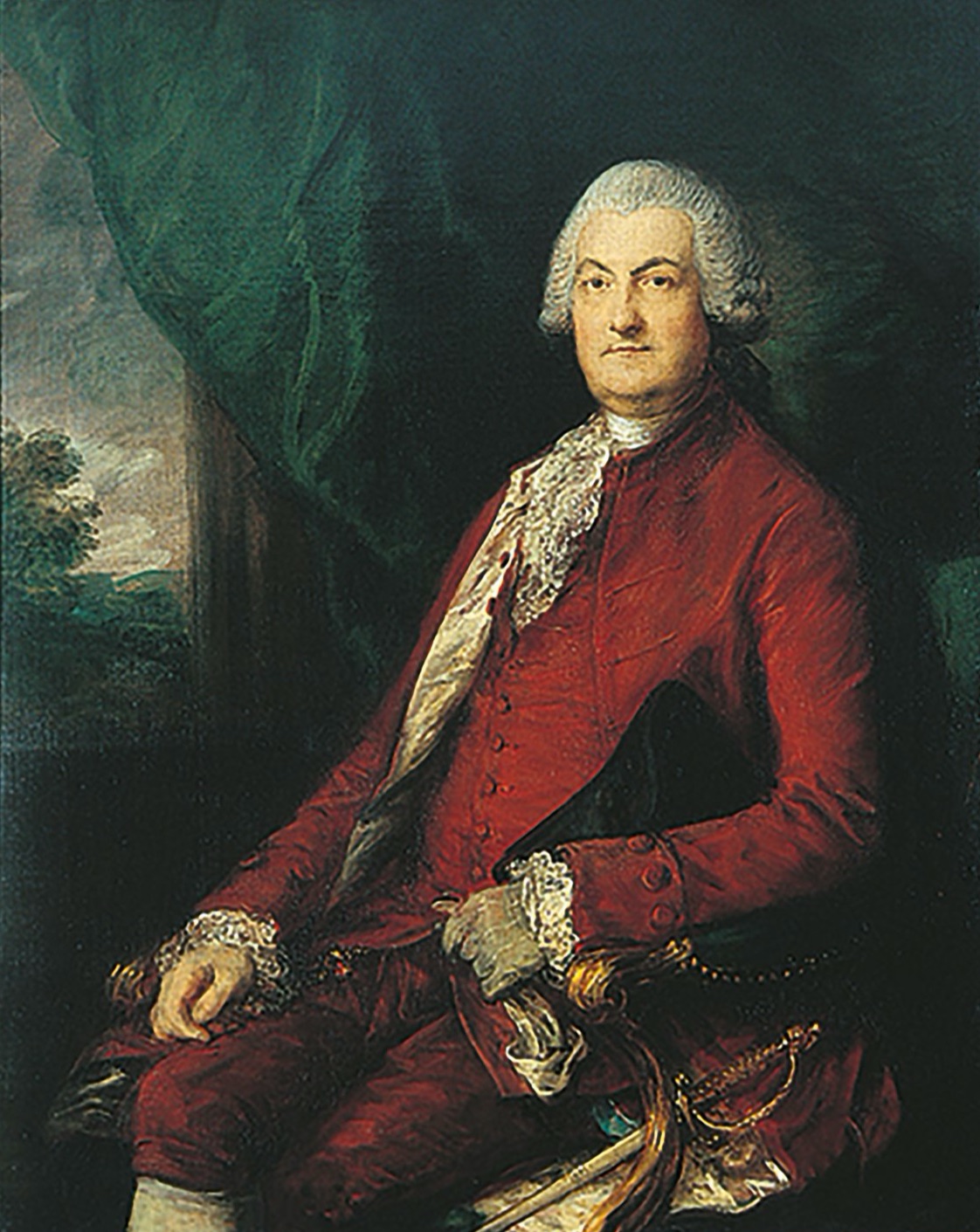
Sir Paul’s cousin and godson, Paul Methuen (1723-95) of Bradford-o on-Avon (seen to the left), was the grandson of Anthony Methuen (1651-1717), who had been the brother of John Methuen, the ambassador. He inherited Sir Paul’s collection and fortune, as he had never married.
The younger Paul was only twenty three when his trustees bought Corsham in 1745. In 1749 he married Christian, or ‘Kitty’, daughter of Sir George Cobb, Bt of Adderbury in Oxfordshire. Paul had been educated at Winchester College and then had gone to Oriel College, Oxford. For much of his career he sat as an M.P. for constituencies including Warwick Borough and Great Bedwyn.
Paul commissioned Capability Brown to enlarge Corsham House, as it was then. He died at the house in Grosvenor Street in 1795 and was succeeded by his son, Paul Cobb Methuen (1752-1816). He too went to Winchester and then to University College, Oxford, where he matriculated in 1769. Afterwards he went on a Grand Tour, returning in 1772 and writing regularly to his father whilst on his travels. He served as M.P. for Great Bedwyn after his father.
Paul commissioned Capability Brown to enlarge Corsham House, as it was then. He died at the house in Grosvenor Street in 1795 and was succeeded by his son, Paul Cobb Methuen (1752-1816). He too went to Winchester and then to University College, Oxford, where he matriculated in 1769. Afterwards he went on a Grand Tour, returning in 1772 and writing regularly to his father whilst on his travels. He served as M.P. for Great Bedwyn after his father.
It was Paul Cobb who engaged Nash to enlarge Corsham House to accommodate more pictures and books, following the sale of the Grosvenor Street house, and Repton to complete the park. He married Matilda, daughter of Sir Thomas Gooch, Bt of Benacre Hall, Suffolk. The Gooch family had a house in Bath and so the two likely met socially within the area; they went on to have several children. Considerable structural problems with Nash’s work soon became apparent and it was left to Paul Cobb’s eldest son, another Paul (1779-1849) to deal with them and take radical decisions regarding the future of the house.
This Paul, who was elevated to a baron in Queen Victoria’s Coronation Honours in 1838, was an M.P for many years. In 1846 the demolition of the North Front began, and Thomas Bellamy was engaged to rebuild it, together with the Music Room, Dining Room and halls.
This first Lord Methuen married Jane Dorothea, daughter of Sir Henry Paulet St John Mildmay of Dogmersfield Park in Hampshire. They had three sons and a daughter. Their eldest, Paul Mildmay Methuen died in 1837 aged twenty three whilst on a diplomatic mission in Russia, and it was the second son, Frederick Henry Paul who succeeded on his father’s death in 1849.
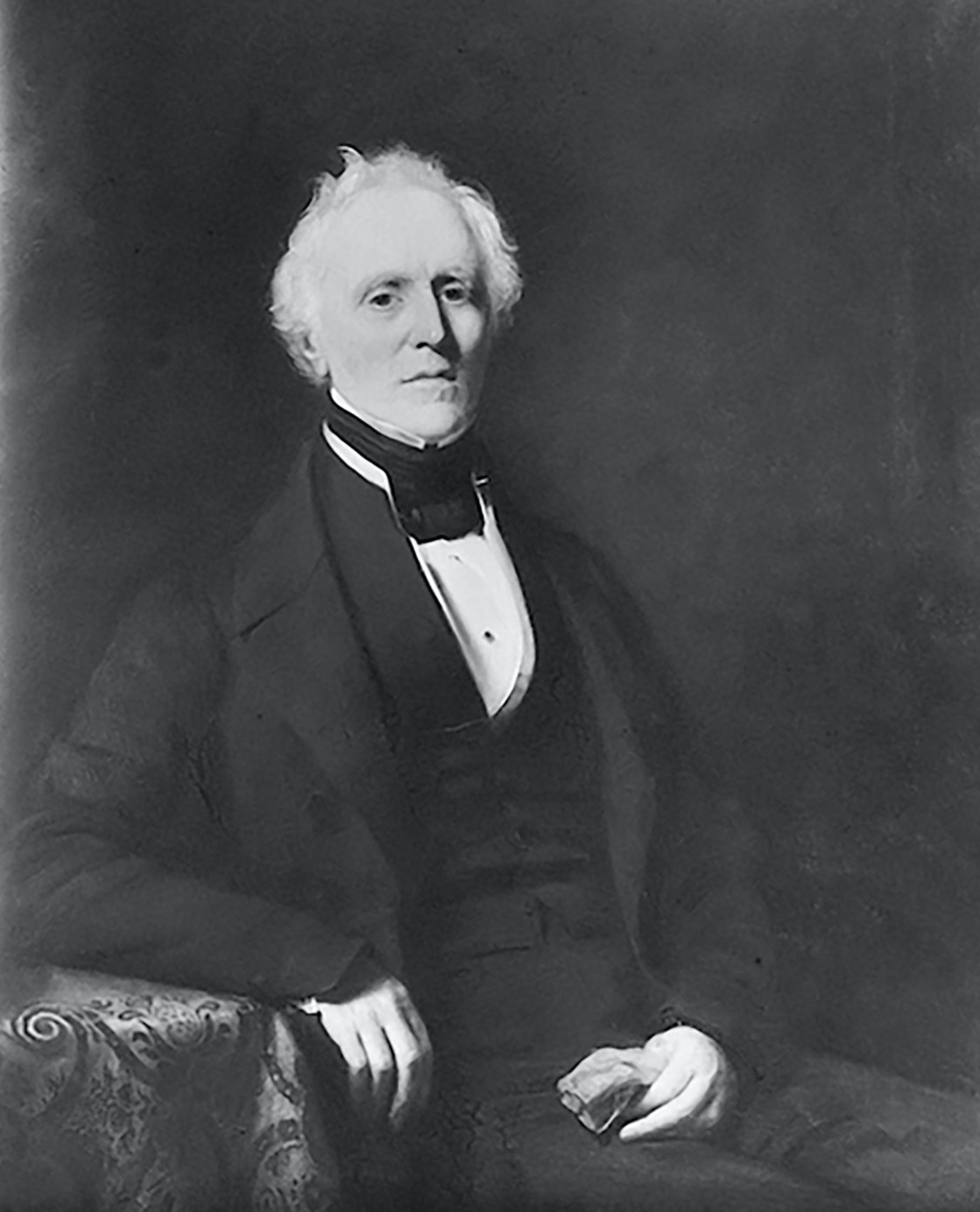
In a break with the family tradition of a Parliamentary career, the second Lord, Frederick, Methuen (1818-91) entered upon a military training. He was educated at Harrow and Sandhurst and was a keen cricketer. He retired from the Regular Army in 1842. He was appointed Major in 1843 and Lt. Colonel in 1846 to the Royal Regular Militia of Wiltshire, which he commanded for several years, seeing service in the Crimean War, where he met the artist, Edward Lear. He was a Lord-in-Waiting to Queen Victoria on and off over a period of many years. He sold a considerable amount of property on the estate, including Hartham Park and Bradenstoke Abbey. In 1873 his estate comprised some five and half thousand acres in Wiltshire.
Frederick was married to Anna Horatia Caroline, the only child of Rev. John Sanford, vicar of Nynehead in Somerset, and the possessor of a large collection of paintings. After the Rev. Sanford’s death in 1855 this collection was inherited by his daughter and became assimilated into the Corsham Collection. In 1886 Frederick sold two important works from his father in law’s collection by the Italian artist Bacchiacca to the National Gallery, London, and more regrettably Van Dyck’s famous full-length portrait of the Duke of Richmond and Lennox to the American philanthropist Henry Marquand. This painting had originally been part of Sir Paul’s collection and is now in the Metropolitan Museum of Art, New York, along with Rembrandt’s portrait of ‘a man in a turban’ sold by the first Lord.
Horatia’s mother, Eliza, had previously been married to the Irish peer Lord Cloncurry, who had divorced her in 1811 on account of her adultery with Sir John Piers. It was eight years later that she married Sanford, who had been vicar of Nynehead since 1810 and from 1813 became a chaplain to H.R.H. the Duke of Cambridge. It was, no doubt, largely on account of his wife’s chequered past that the couple spent much time on the Continent, living in Florence during much of the 1830’s.
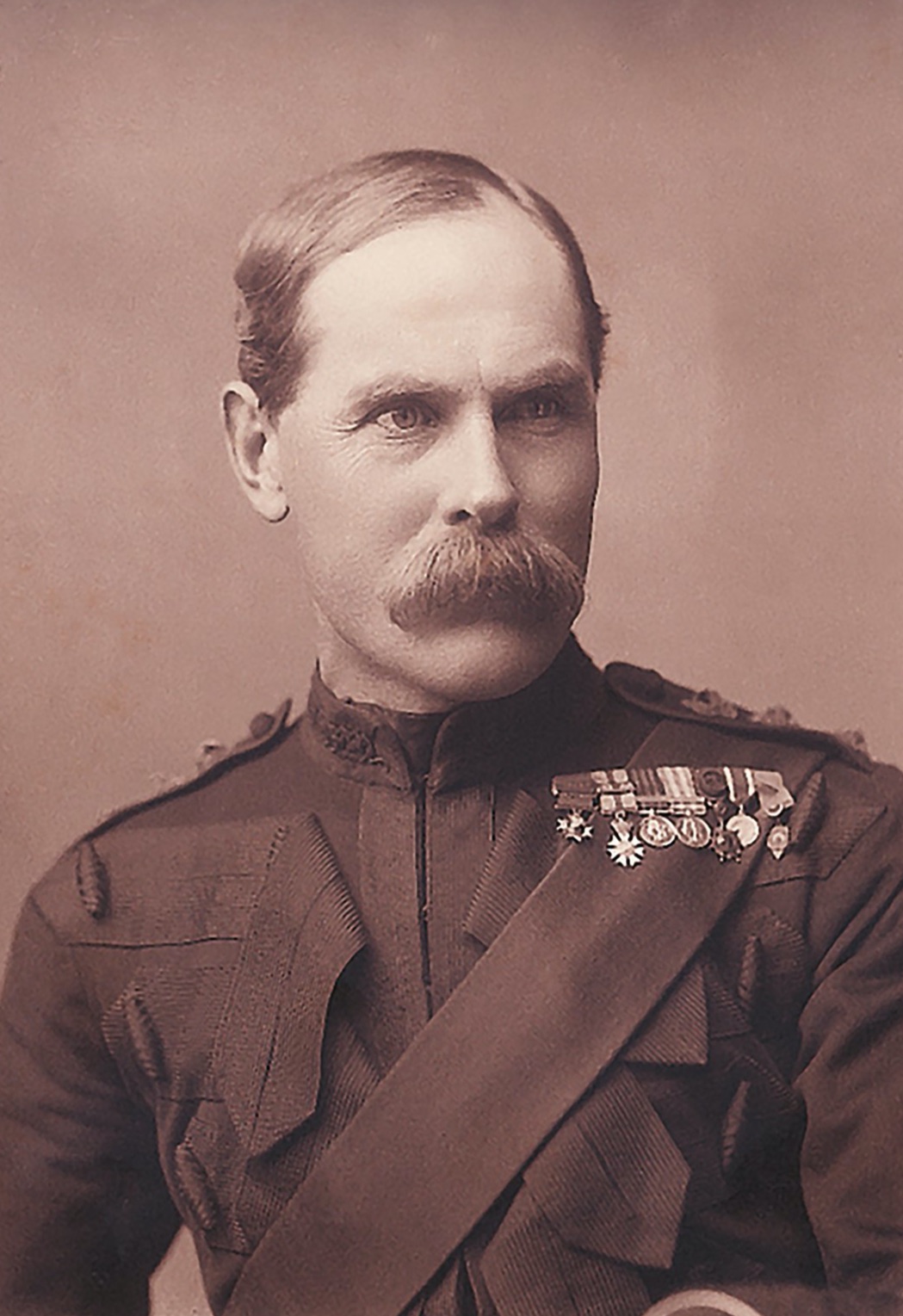
The second Lord and his wife had five children who lived into adulthood, the eldest being Paul Sanford Methuen (1845-1932), who inherited Corsham following his father’s death in 1891.
Educated at Eton, he joined the Royal Wiltshire Yeomanry in 1862 when he was seventeen. After two years he was gazetted as Ensign and Lieutenant in the Scots Fusilier Guards, rising to Lieutenant and Captain in 1867, Captain and Lt-Colonel in 1876 and Regimental Major in 1882. From 1878-81 he was Military Attache in Berlin. He became a substantive Colonel in 1888.
Aside from various commands at home, his active service included the Ashanti Campaign 1873/4, the Egyptian campaign 1882 and in 1884-5 he raised and commanded ‘Methuen’s Horse’ for the expedition to Bechuanaland. In 1897 he was promoted to Lt-General and in 1899 commanded the 1st Division on the outbreak of war in South Africa, known as the Boer War. He fought the battles of Graspan, Belmont, Modder Valley and Magersfontein, the latter was a disastrous defeat, with 239 soldiers under his command losing their lives. After returning to England, he was appointed Colonel of the Scots Guards, and a General at the same time. From 1908-12 he served as Commander-in-Chief in South Africa, with the mission of forging links with the Boers. In 1911 he became a Field-Marshal. From 1915 -19 he was Governor General of Malta, and from 1920 had the honour of being Constable of the Tower of London.
In the years following the First World War he had increasing financial difficulties and was forced to sell many properties on the estate, including Biddestone Manor. He even gave serious consideration to selling the entire Old Master collection but was persuaded against this drastic action by his eldest son Paul. The Field Marshal was a keen musician and during his time in Berlin had violin lessons from the great Joseph Joachim. He married 1878, to Evelyn, daughter of Sir Frederick Henry Hervey-Bathurst of Clarendon Park near Salisbury, who was the great love of his life. She sadly died less than a year on, on the French Riviera, where she had travelled to for her health.
His second wife, with whom he had three sons and two daughters with was his second Cousin, Mary Ethel, daughter of William Ayshford Sanford of Nynehead Court, Somerset.
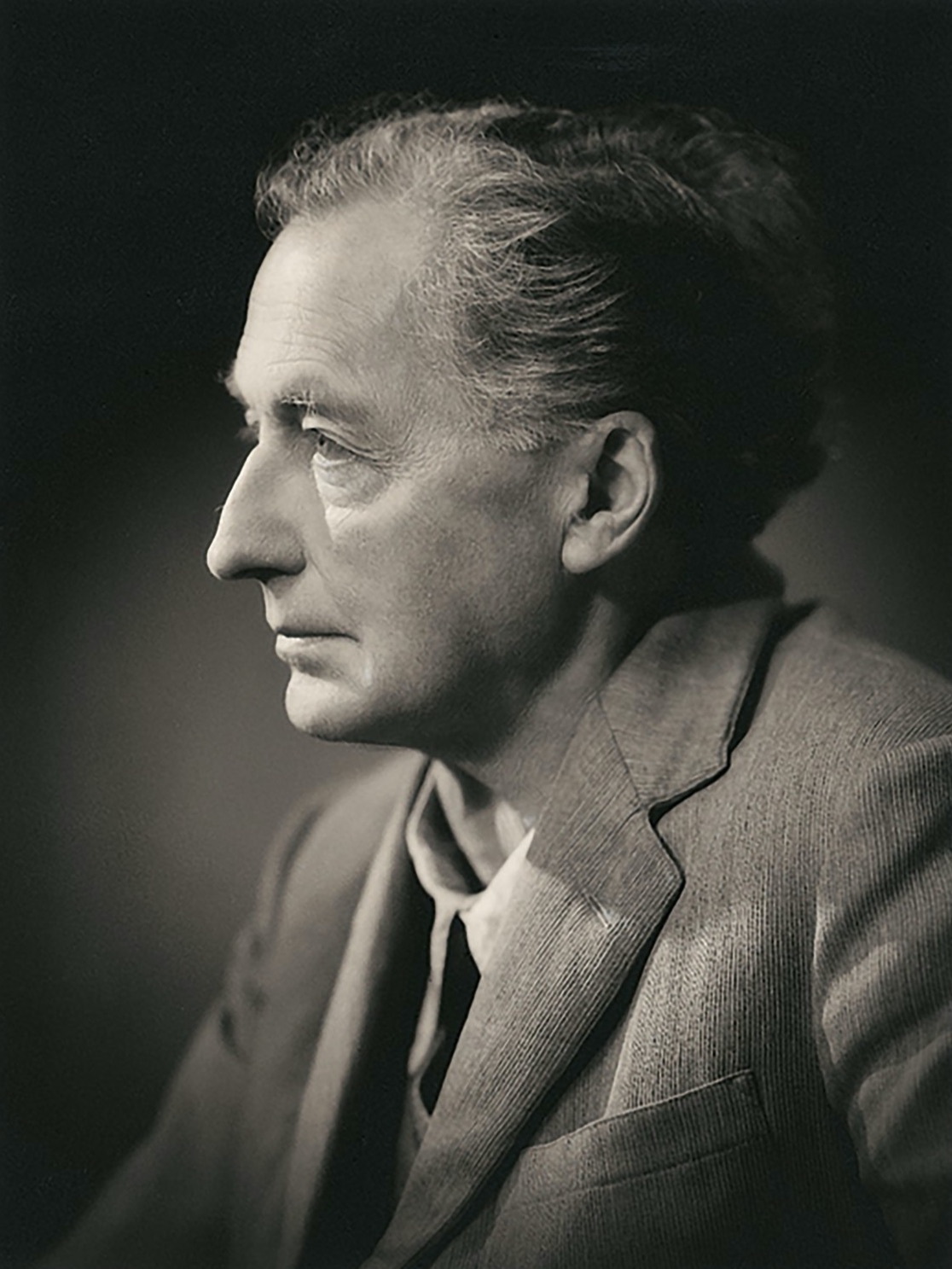
Following the Field Marshal’s death in 1932, Corsham was inherited by his eldest son, the fourth Lord, Paul Ayshford (1886-1974), who, aside from being a professional artist, was a keen naturalist and botanist. He was educated at Eton and New College, Oxford and served as an assistant at the Transvaal Museum, Pretoria for four years. In 1914 he joined the Royal Wiltshire Yeomanry and served with the Scots Guards in France.
In 1915 he married Eleanor (known as Norah) daughter of the artist W.J. Hennessy. They did not have children. Her effigy, carved in alabaster by the sculptor Fritz Kormis, can be seen in the family chapel in St Bartholomew’s Church, Corsham.
The formative influence on his style as an artist was his period of study with Walter Sickert in the late 1920s. Subsequently he exhibited at the Leicester Galleries, Colnaghi’s, Agnew’s and the Fieldbourne Gallery. During 1944-5 he was appointed Monuments, Fine Arts and Archives officer in the 21st Army Group to assess and record war damage to buildings in North France. He wrote a detailed account of this in his book Normandy Diary, published in 1952.
He was elected an Associate of the Royal Academy in 1951, and an Academician in 1959. He served variously as a Trustee of the National Gallery, the Tate Gallery and the Imperial War Museum. For thirty years he was president of the Royal West of England Academy and held many honours. He also took an active role in the restoration of the Kennet and Avon canal.
On the death of the Fourth Lord in 1974, the title was inherited by his brother Anthony Paul (1891-1975), who was already in his eighties, with the Estate passing to the latter’s son, Anthony John (1925-94).
The fifth Lord, Anthony Paul, was educated at Wellington and at New College, Oxford and served as a captain in the Scots Guards during the Great War, in which he was seriously wounded. He later became a chartered architect, working locally. He was married to Grace Durning, daughter of Sir Richard Holt, Bt of Liverpool. They had three sons and a daughter. His wife is remembered locally for her considerable work for the Women’s Institute, of which she was the national officer.
As already mentioned, it was the fifth Lord’s second son, Anthony John, who inherited the Estate in 1974 and the following year he succeeded at the Sixth Lord Methuen. Educated at Winchester and the Royal Agricultural College, Cirencester, John qualified as a chartered surveyor but also served from 1943-7 in the Scots Guards and Royal Signals and was a land officer with the Air Ministry from 1951-62. He was a keen yachtsman and took an active role in the Scout Movement. He died unmarried in 1994, when the title passed to his brother Robert Alexander Holt Methuen (1931-2014).
Robert lived in Derbyshire and was educated at Trinity College, Cambridge. He worked as an engineer with Westinghouse in Chippenham, and then with IBM. For many years he was a computers expert with Rolls Royce, working chiefly in their aeroplane division. He sat as a Liberal Democrat peer and took an active role in the House of Lords as one of the ninety-two retained hereditary peers. He had two daughters with his first wife Mary Catherine Jane Hooper, they divorced in 1993, a year later he married Margrit Andrea Hadwiger.
James Methuen-Campbell is the current Lord Methuen and owner of the Corsham Estate, inheriting the title on Robert’s death in 2014.
The fifth Lord, Anthony Paul, was educated at Wellington and at New College, Oxford and served as a captain in the Scots Guards during the Great War, in which he was seriously wounded. He later became a chartered architect, working locally. He was married to Grace Durning, daughter of Sir Richard Holt, Bt of Liverpool. They had three sons and a daughter. His wife is remembered locally for her considerable work for the Women’s Institute, of which she was the national officer.
As already mentioned, it was the fifth Lord’s second son, Anthony John, who inherited the Estate in 1974 and the following year he succeeded at the Sixth Lord Methuen. Educated at Winchester and the Royal Agricultural College, Cirencester, John qualified as a chartered surveyor but also served from 1943-7 in the Scots Guards and Royal Signals and was a land officer with the Air Ministry from 1951-62. He was a keen yachtsman and took an active role in the Scout Movement. He died unmarried in 1994, when the title passed to his brother Robert Alexander Holt Methuen (1931-2014).
Robert lived in Derbyshire and was educated at Trinity College, Cambridge. He worked as an engineer with Westinghouse in Chippenham, and then with IBM. For many years he was a computers expert with Rolls Royce, working chiefly in their aeroplane division. He sat as a Liberal Democrat peer and took an active role in the House of Lords as one of the ninety-two retained hereditary peers. He had two daughters with his first wife Mary Catherine Jane Hooper, they divorced in 1993, a year later he married Margrit Andrea Hadwiger.
James Methuen-Campbell is the current Lord Methuen and owner of the Corsham Estate, inheriting the title on Robert’s death in 2014.